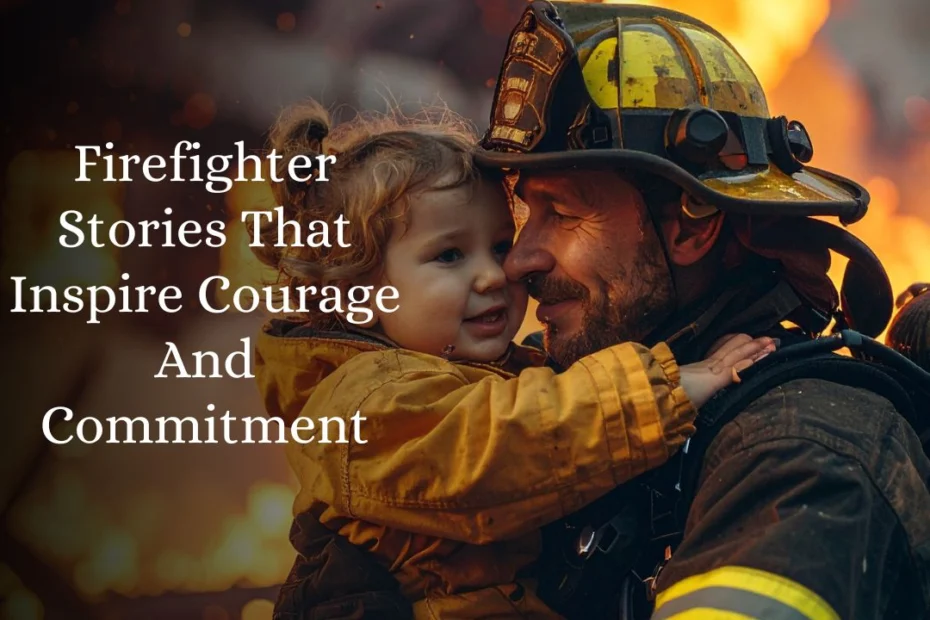
Firefighter stories matter because they show what courage looks like when fear is unavoidable. Firefighters do not wait for perfect conditions.
They act in smoke, heat, confusion, and uncertainty. Across the United States, more than one million firefighters serve their communities through a mix of career, volunteer, and paid-on-call roles. That scale alone explains why nearly every town has a firefighter story rooted in real people and real sacrifice.
What makes these stories powerful is that they are not limited to dramatic rescues. Many are about commitment—showing up for training, responding to medical calls at night, educating communities about prevention, and continuing to serve even after experiencing loss.
These everyday acts of service form the backbone of public safety.
Understanding The Risks Behind The Uniform
Firefighting is consistently ranked among the most dangerous professions. Each year, dozens of firefighters lose their lives while on duty, and tens of thousands suffer injuries ranging from burns and fractures to heat exhaustion and cardiac events.
Many of these injuries happen during routine responses, training exercises, or medical calls—not only during large fires.
A major risk factor is physical strain. Firefighters carry heavy equipment, work in extreme temperatures, and make split-second decisions under stress.
Long-term exposure to smoke, chemicals, and hazardous materials also creates serious health concerns, including respiratory disease and cancer.
These risks explain why firefighter courage is not a one-time event but a repeated choice made throughout an entire career.
Story One: Commitment That Extends Beyond The Fireground
One of the most meaningful firefighter stories in recent years involves service that continued long after active duty ended.
A veteran firefighter in a major U.S. city spent years responding to fires, vehicle accidents, and hazardous material incidents. Like many in the profession, she was repeatedly exposed to toxic smoke and chemicals while protecting others.
Years later, she was diagnosed with a serious illness linked to occupational exposure. Her department and city recognized her death as connected to her service, honoring her with full line-of-duty recognition.
Firefighters from across the region attended her memorial, standing in uniform to represent a shared understanding: commitment to the job does not end when the shift does.
Why This Story Inspires Courage And Commitment
- It highlights the long-term sacrifices firefighters make.
- It shows growing awareness of occupational health risks.
- It reinforces the importance of protecting firefighters during and after their careers.
Story Two: A Rescue Made Possible By Teamwork
In a residential fire earlier this year, firefighters arrived to find heavy smoke and a trapped child with mobility challenges inside the home.
Instead of a single dramatic act, the rescue succeeded because of coordination. One firefighter forced entry, another searched the interior, while others handled ventilation and medical support.
Within minutes, the child was safely removed and treated. Officials later noted that adequate staffing levels and clear communication played a key role in the outcome.
Why This Story Inspires Courage And Commitment
- It shows that bravery is collective, not individual.
- It proves that training and staffing save lives.
- It highlights how preparation turns chaos into controlled action.
Story Three- Wildland Firefighters Holding The Line
Wildland firefighters face unique challenges that go beyond structure fires. In recent fire seasons, crews have battled massive blazes fueled by heat, drought, and strong winds.
At the same time, many departments have struggled with staffing shortages, long deployments, and exhaustion.
Despite these challenges, wildland firefighters continue to protect communities, infrastructure, and natural resources. Many work extended shifts far from home, sleeping in temporary camps and returning to the fire line day after day.
Their courage is not just facing flames—it is enduring weeks of physical and mental strain while staying focused on safety.
Why This Story Inspires Courage And Commitment
- It demonstrates resilience under extreme conditions.
- It shows dedication even when resources are stretched.
- It underscores the need for long-term investment in firefighter support.
Remembering Fallen Firefighters And Learning From Loss
Every year, firefighters who die in the line of duty are honored at national and local memorials. These ceremonies are not only about remembrance but also about education. Each name represents lessons learned—about equipment, procedures, health, and safety improvements.
Departments use these moments to reinforce training standards, update safety protocols, and remind new recruits of the responsibility they carry.
Honoring fallen firefighters strengthens the culture of safety while preserving the legacy of those who served.
Key Facts And Figures About Firefighter Service
| Area Of Service | Key Information | What It Shows |
|---|---|---|
| Total Firefighters In The U.S. | Over 1 million | Fire protection relies on widespread community service |
| Annual On-Duty Deaths | Dozens each year | Firefighting remains a high-risk profession |
| Annual Injuries | Tens of thousands | Non-fatal injuries are a major concern |
| Common Health Risks | Cardiac events, respiratory disease, cancer | Long-term exposure impacts firefighter health |
| Wildland Fire Challenges | Long deployments, staffing shortages | Environmental fires demand endurance and teamwork |
What These Stories Teach Us About Courage
Firefighter courage is not reckless behavior. It is controlled, trained action taken despite fear. Firefighters are taught to assess risk, protect one another, and prioritize life safety.
Courage shows up when they enter unstable structures, perform CPR on strangers, or stay calm while others panic.
True courage also includes knowing when to step back, when to call for help, and when to protect crew safety above all else. These decisions require discipline, not bravado.
What These Stories Teach Us About Commitment
Commitment is what keeps firefighters training when no one is watching. It is the willingness to respond to calls at any hour, maintain equipment, mentor new members, and educate the public about fire prevention.
Commitment also includes advocating for better safety standards, mental health resources, and medical protections. Many firefighters today are pushing for improved screening, cleaner equipment practices, and stronger support systems for retirees and families.
Firefighter stories that inspire courage and commitment are powerful because they are real. They include rescues that depend on teamwork, careers marked by sacrifice, and challenges that extend far beyond visible flames.
These stories remind us that firefighters are not symbols—they are people who choose service every day despite known risks. Honoring them means more than appreciation. It means supporting safety, health, staffing, and policies that allow firefighters to protect others while also protecting themselves.
FAQs
Why Are Firefighter Stories So Impactful?
They show real people making difficult decisions under pressure, combining training, teamwork, and selflessness to protect others.
Is Firefighting Dangerous Even Outside Of Fires?
Yes. Firefighters face risks during medical calls, training, vehicle responses, and from long-term exposure to hazardous substances.
How Can Communities Support Firefighters?
By supporting proper staffing, funding training and equipment, promoting firefighter health programs, and recognizing the long-term impacts of the job.
Why Becoming a Firefighter Is More Than Just a Career
How Firefighters Balance Family Life And Emergency Service
The Importance of Fire Prevention Education In Saving Lives
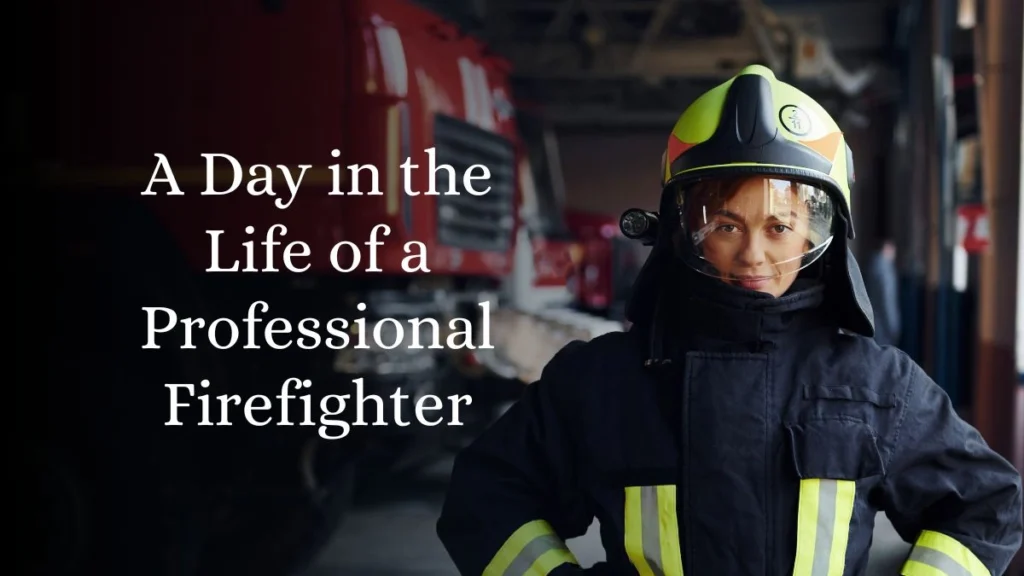
A Day in the Life of a Professional Firefighter
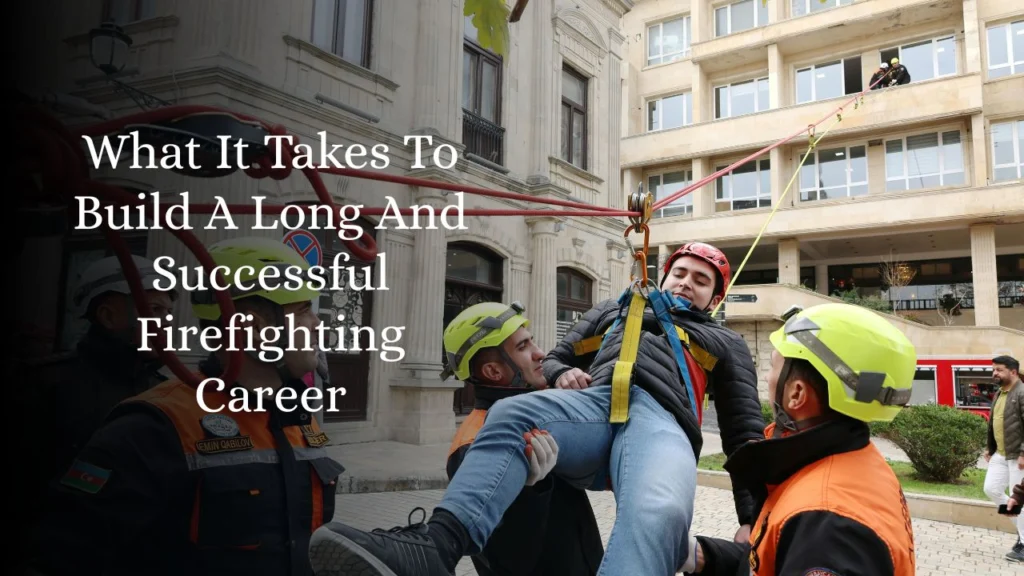
What It Takes To Build A Long And Successful Firefighting Career