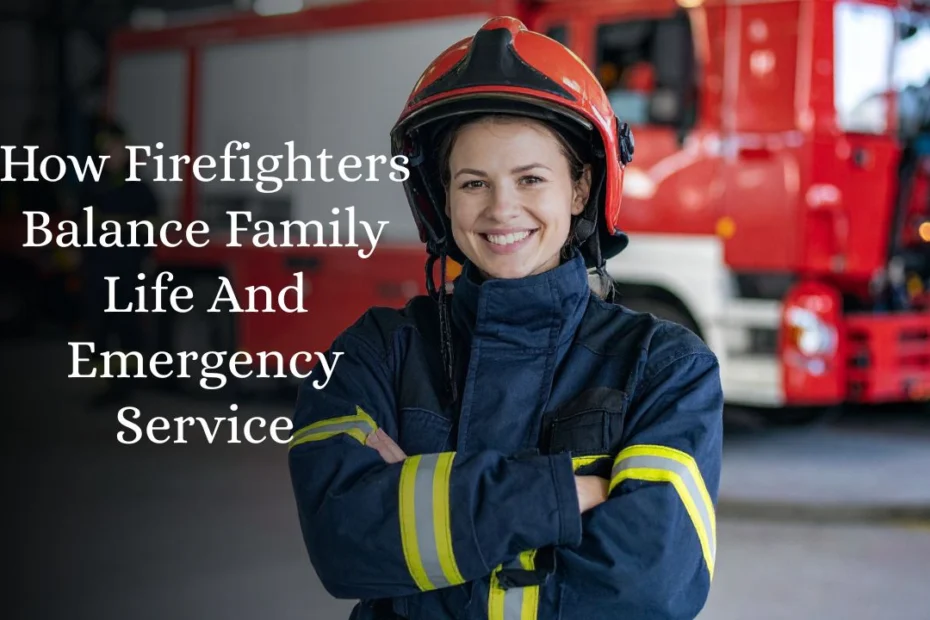
Balancing family life with emergency service is one of the most demanding challenges firefighters face. Unlike most professions, firefighting does not end at a fixed hour.
Calls come at night, on holidays, and during family milestones. Modern firefighters also respond to far more medical emergencies than fires, making their schedules even more unpredictable. This reality affects marriages, parenting, sleep, mental health, and long-term well-being.
This article explains—using real-world facts, figures, and current conditions—how firefighters manage these pressures, what strains families the most, and which strategies actually help firefighters succeed both at home and on the job.
The Modern Reality Of Firefighter Work
Emergency Service Has Changed
Today’s firefighters are all-hazard responders. In most departments, medical and rescue calls make up well over half of all responses, while structure fires represent a small portion of total incidents.
This means firefighters may respond to multiple calls in a single shift, many of them emotionally intense medical situations involving children, seniors, or fatal outcomes.
This increase in call volume reduces downtime at the station and increases fatigue, directly affecting family life once firefighters return home.
The Risk Factor Never Disappears
Firefighting remains one of the most dangerous public service professions. Each year, dozens of firefighters die in the line of duty, and thousands more are injured.
Even when firefighters return home safely, families live with constant background worry, especially spouses and children.
This ongoing risk creates emotional strain that does not exist in most other careers.
Shift Schedules And Family Life
Common Firefighter Schedules
Most career firefighters work long shifts, often including:
- 24 hours on / 48 hours off
- 48 hours on / 96 hours off
- Rotating schedules with mandatory overtime
While these schedules provide blocks of time at home, they also disrupt normal routines such as bedtime parenting, school mornings, and weekend activities.
How Long Shifts Affect Families
Long shifts mean firefighters may:
- Miss birthdays, school events, and holidays
- Sleep during daytime hours on days off
- Return home mentally and physically exhausted
For families, this requires flexibility, patience, and strong communication.
Sleep Disruption And Its Impact
Sleep Loss Is A Major Issue
Firefighters are frequently awakened during overnight shifts. A single 24-hour shift may include multiple calls with little or no uninterrupted sleep. Over time, this leads to chronic sleep deprivation.
Sleep disruption affects:
- Mood and emotional regulation
- Attention and memory
- Physical health and immune function
- Relationship quality at home
Families often notice irritability or emotional withdrawal after heavy call nights—not because of lack of care, but because of exhaustion.
Managing Sleep As A Family Priority
Successful firefighter families treat sleep as essential, not optional. This includes:
- Allowing recovery time after demanding shifts
- Keeping household noise low during daytime rest
- Avoiding scheduling major obligations immediately after duty days
Emotional Stress And Trauma Exposure
The Hidden Weight Of The Job
Firefighters regularly witness trauma, injury, and death. These experiences accumulate over time and can affect emotional well-being. Firefighters may struggle to “switch off” work memories when they return home.
Common emotional responses include:
- Emotional numbness
- Hyper-alertness
- Difficulty relaxing
- Trouble discussing work experiences
Families may feel shut out or confused if they do not understand this response.
Mental Health Challenges
Firefighters face higher-than-average risks for:
- Post-traumatic stress symptoms
- Depression and anxiety
- Substance misuse
Recognizing these risks early and normalizing mental health support helps protect both firefighters and their families.
Communication- The Backbone Of Balance
Why Communication Must Be Intentional
Because firefighter schedules are irregular, communication cannot be casual or assumed. The most stable firefighter families rely on planned, clear communication, including:
- Weekly schedule check-ins
- Honest conversations about fatigue and stress
- Clear division of household responsibilities
This prevents misunderstandings, resentment, and emotional distance.
Explaining The Job To Children
Age-appropriate honesty helps children cope better. Simple explanations about why a parent is gone overnight or needs rest can reduce fear and confusion.
Many families also create rituals—such as notes or short calls—to maintain connection during shifts.
Practical Strategies That Work
Planning Like A Team
Firefighter households often succeed by treating family life like coordinated operations:
- Shared digital calendars
- Backup childcare plans
- Pre-planned meals for duty days
This reduces last-minute stress and helps partners feel supported.
Decompression Time After Shifts
Many firefighters benefit from a brief transition period after returning home. A consistent routine—showering, eating, and resting briefly—helps them mentally shift from emergency mode to family mode.
Using Support Systems
Peer support groups, counseling services, and wellness programs are increasingly common in fire departments.
Families who view these resources as preventive care rather than crisis solutions tend to fare better long-term.
Firefighter Work Challenges And Family Solutions
| Work Challenge | Impact On Family Life | Practical Family Strategy |
|---|---|---|
| Long 24-hour shifts | Missed family time, exhaustion | Shared calendars, flexible routines |
| Frequent EMS calls | Emotional fatigue, disrupted sleep | Recovery time after shifts |
| Sleep deprivation | Irritability, low energy | Protected rest periods |
| Exposure to trauma | Emotional withdrawal | Decompression routines, open dialogue |
| Job-related risk | Anxiety for spouses and children | Honest conversations, support networks |
The Role Of Fire Departments
Fire departments play an important role in supporting family balance by:
- Providing predictable scheduling when possible
- Offering wellness and behavioral health programs
- Educating firefighters about sleep, stress, and family impact
- Including families in orientation and support initiatives
Departments that prioritize firefighter well-being also improve safety, performance, and retention.
Balancing family life and emergency service is not about perfection—it is about preparation, communication, and support. Firefighters face long shifts, disrupted sleep, emotional trauma, and real physical risk, all of which affect home life.
Families that thrive do so by planning ahead, protecting recovery time, communicating openly, and using available support systems.
When firefighters are supported at home, they are safer, healthier, and more effective in serving their communities. Family balance is not a personal luxury—it is a professional necessity.
FAQs
Why Do Firefighters Work Such Long Shifts?
Long shifts allow departments to maintain coverage with fewer personnel changes, but they require careful recovery planning at home.
How Can Firefighter Families Reduce Stress?
Clear communication, shared schedules, and protecting rest time are the most effective stress-reduction tools.
Is Mental Health Support Important For Firefighter Families?
Yes. Emotional support benefits not only firefighters but also their spouses and children, strengthening the entire household.
Why Becoming a Firefighter Is More Than Just a Career
The Importance of Fire Prevention Education In Saving Lives
Firefighter Stories That Inspire Courage And Commitment
A Day in the Life of a Professional Firefighter
What It Takes To Build A Long And Successful Firefighting Career