Have you ever paused to consider why some individuals feel stuck, as if their hard work yields no results? What if the answers we’re searching for are more accessible than we realize, but we often overlook them?
You’re not alone. There’s a name for this: learned helplessness. And escaping its grip could change everything for you.
What Is Learned Helplessness, Really?
Learned helplessness is a phenomenon where repeated failures or setbacks make you believe you can’t improve your situation—even when you can.

- Coined by psychologists Martin Seligman and Steven Maier in the 1960s
- Proven in both animal and human studies
- Linked to depression, low motivation, and chronic stress
Simply put: if you try and fail enough times, your brain may decide, “Why bother?”
The Science Behind the Trap
Here’s where it gets interesting. Seligman and Maier’s famous experiments involved dogs, sounds, and electric shocks (yikes!). When dogs learned they couldn’t escape, they eventually stopped trying—even when escape became possible.
Sound familiar? The same thing happens to people. After too many setbacks, we start to expect failure, even when new opportunities appear.
- Your brain literally rewires itself to expect defeat
- This leads to inaction, low self-esteem, and anxiety
- Even when doors open, you might not walk through them
How Does Learned Helplessness Show Up?
Think this doesn’t apply to you? It might—sometimes in subtle ways. Learned helplessness can sneak into all areas of life:

- Work: You stop going for promotions because you “never get noticed”
- Relationships: You avoid confrontation because “they won’t change anyway”
- Health: You give up on dieting or exercise after a few failed attempts
- Education: You stop studying because “I’m just not smart enough”
Sound familiar yet? The consensus among psychologists is clear: learned helplessness is a major barrier to personal growth.
Spotting the Symptoms
So, how do you know if you’re stuck in this trap? Watch out for these signs:
- Feeling powerless, even in situations you can control
- Low motivation and “why bother?” attitudes
- Frequent negative self-talk
- Giving up quickly or not trying at all
- Blaming yourself for things outside your control
If you see yourself in these, it’s time to take action. But how?
Breaking Free: What Actually Works?
The good news? Learned helplessness isn’t permanent. Science-backed strategies can help you flip the script.

- Small wins: Set achievable goals and celebrate each success (no matter how tiny)
- Reframe failure: See setbacks as learning, not proof of inadequacy
- Challenge negative thoughts: Ask, “Is this really true—or just a story I’m telling myself?”
- Seek support: Friends, therapists, and coaches can offer perspective and encouragement
Experts agree: building resilience is a process. You won’t change overnight, but every step chips away at that helpless feeling.
Why Do Some People Escape While Others Stay Stuck?
Ever wonder why some people bounce back, while others spiral? According to research, it often comes down to mindset and environment.
- Those who believe their actions matter (a “growth mindset”) are less likely to stay stuck
- Supportive environments and role models make a huge difference
- Practicing gratitude, mindfulness, and self-compassion builds resilience
It’s not about being “tough” or “weak.” It’s about experimenting with new approaches, even when doubt creeps in.
Takeaway: One Step Is All It Takes
Learned helplessness can feel like a life sentence—but science says it’s not. You have more power than you think, and every small action matters.
So, what’s one thing you could try today? Maybe it’s applying for that job, having a tough conversation, or simply reframing a negative thought. The trap only holds you if you stop moving.
Ready to take back your power?

VPNs: Do You Really Need One or Is It Just Marketing Hype?

Incognito Mode: Does It Actually Hide Your Browsing from Your ISP?

Subscription Fatigue: How to Find and Cancel Subs You Forgot About

5G Conspiracy: Why The Towers Are Harmless (Physics Explained)
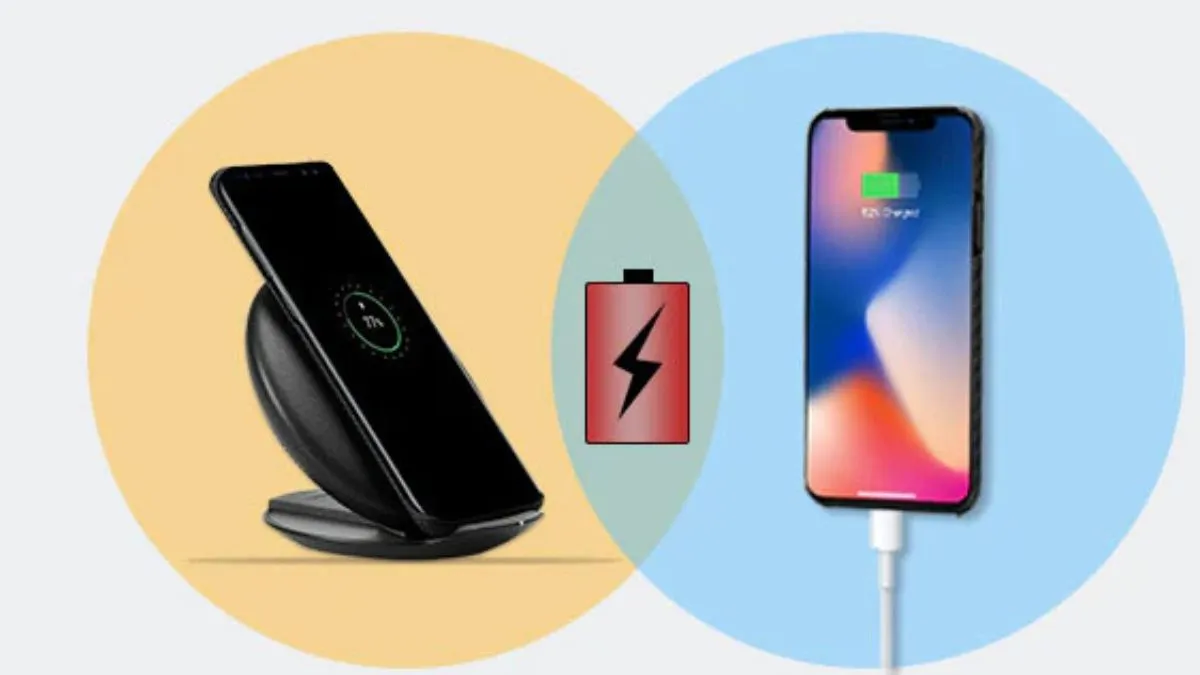
Wireless Charging: Is It Less Efficient Than Plugging In?