
Have you ever noticed how your mood shifts when you skip a meal? It’s a familiar scenario, yet the intriguing science behind how hunger influences our emotions and actions might surprise you.
Let’s dive into what’s really going on in your body—and why those low blood sugar moments can feel like a personality swap.
What Does “Hangry” Actually Mean?
“Hangry” is that special mix of hunger and anger that creeps in when you haven’t eaten for a while. You might feel irritable, short-tempered, or even downright mean. Sound familiar?

But this isn’t just an excuse to raid the snack drawer. There’s real science behind it.
- Hangry = Hungry + Angry
- Recognized by psychologists and nutritionists
- Common across all ages and backgrounds
Inside Your Body: Why Blood Sugar Matters
Your brain is a huge energy hog. It relies on glucose (sugar) from your bloodstream to function smoothly. When your blood sugar drops, everything from focus to mood can take a hit.
The consensus among experts? Low blood sugar triggers a survival response in your brain. You become more irritable and impulsive because your body is signaling you to eat—now!
- Your brain uses about 20% of your daily energy
- Stable blood sugar = calm, focused, happy you
- Low blood sugar = stressed, reactive, “hangry” you
The Science: How Low Sugar Messes With Your Mood
When your blood sugar drops, your body releases stress hormones like adrenaline and cortisol. These are the same chemicals that fire up during a ‘fight or flight’ response.

That’s why you might find yourself snapping at a co-worker, or losing patience in traffic more easily when hungry.
- Adrenaline: Increases irritability
- Cortisol: Can make emotions feel more intense
- Low sugar = brain working overtime to compensate
Why Does This Happen To Me?
Great question! Not everyone gets “hangry” in the same way, but most people notice at least some mood shifts when they’re hungry. Genetics, meal timing, and even your stress levels can play a role.
Here’s what the experts say:
- Some people are more sensitive to blood sugar changes
- Skipping meals or eating lots of sugar can make symptoms worse
- Stress and lack of sleep amplify “hangriness”
How Can You Avoid Getting Hangry?
You don’t have to feel at the mercy of your blood sugar. With a few simple habits, you can keep “hangry” at bay.

- Eat regular, balanced meals with protein and fiber
- Carry healthy snacks like nuts or fruit for emergencies
- Stay hydrated—sometimes thirst feels like hunger
- Listen to your body’s hunger cues
Nutritionists agree that keeping your blood sugar steady is the #1 way to stay even-keeled throughout the day.
Is Being Hangry Bad For You?
Occasional “hangriness” isn’t dangerous, but frequent mood swings from hunger could signal you’re not eating enough—or not eating the right foods.
If you find yourself getting hangry often, it might be time to check in on your diet and stress habits.
- Chronic low blood sugar can affect focus and productivity
- Long-term, it may even impact relationships
- Balanced meals support both mood and energy
The Bottom Line
Next time you feel “hangry,” remember—it’s not just you! It’s your biology, sending you a not-so-gentle nudge to refuel.
Want to avoid those grumpy, snack-searching moments? Keep your meals regular, and your snacks close. Your brain—and everyone around you—will thank you!

VPNs: Do You Really Need One or Is It Just Marketing Hype?
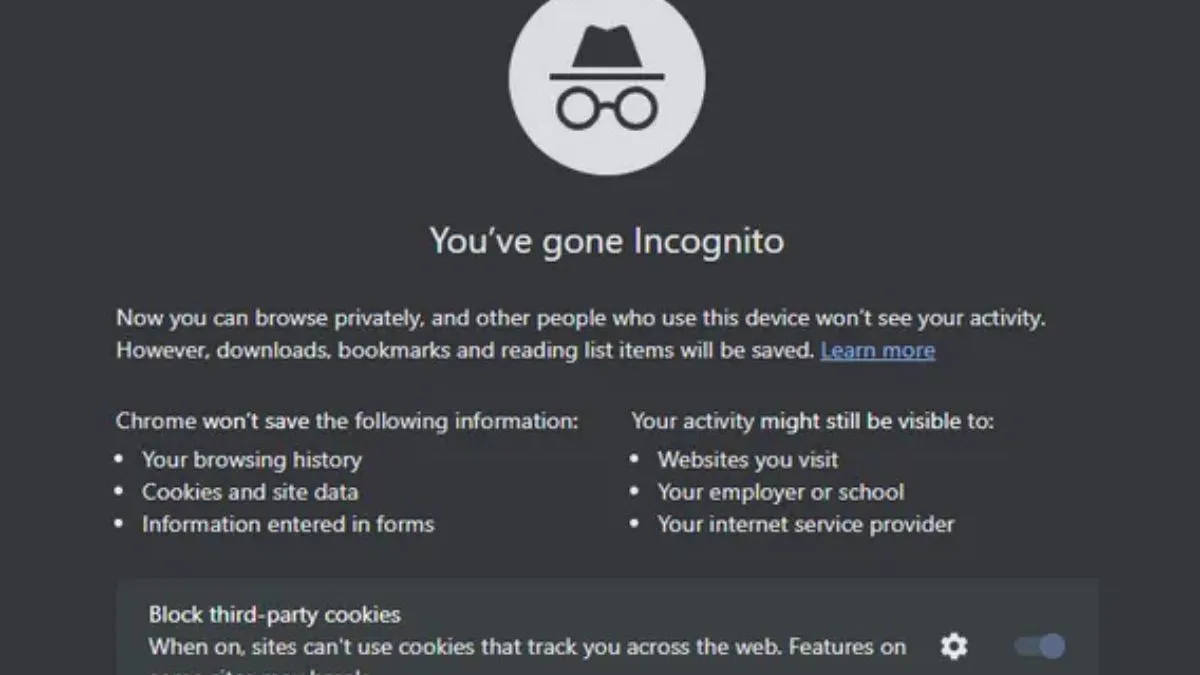
Incognito Mode: Does It Actually Hide Your Browsing from Your ISP?

Subscription Fatigue: How to Find and Cancel Subs You Forgot About

5G Conspiracy: Why The Towers Are Harmless (Physics Explained)
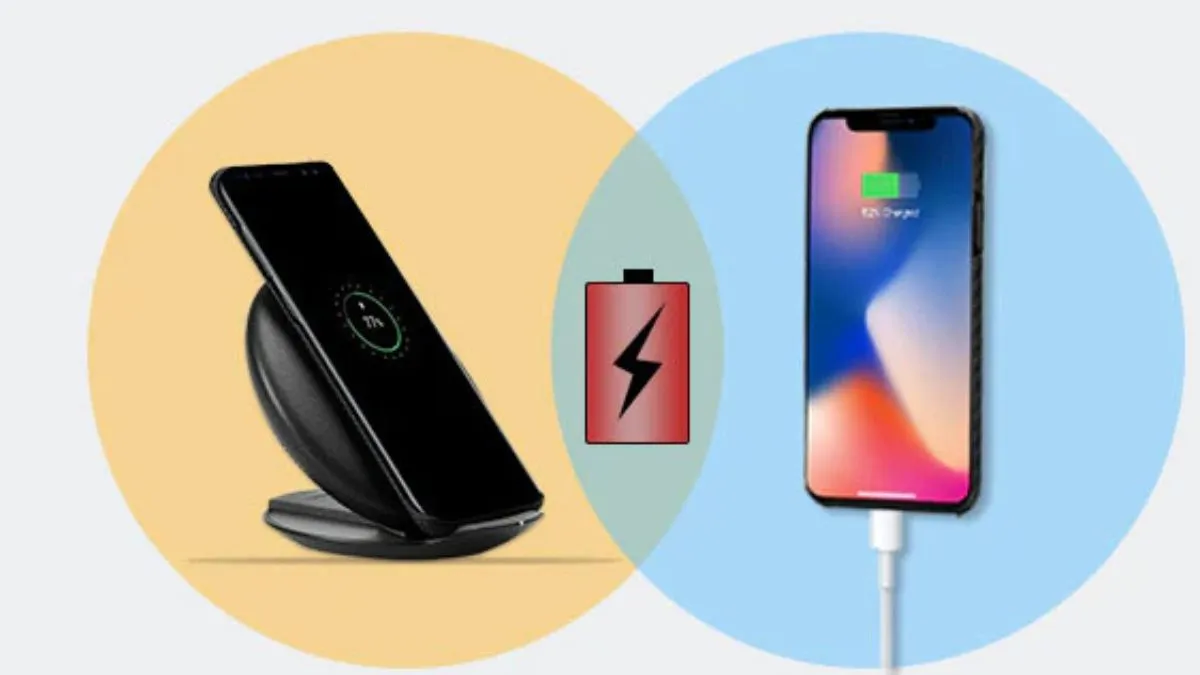
Wireless Charging: Is It Less Efficient Than Plugging In?