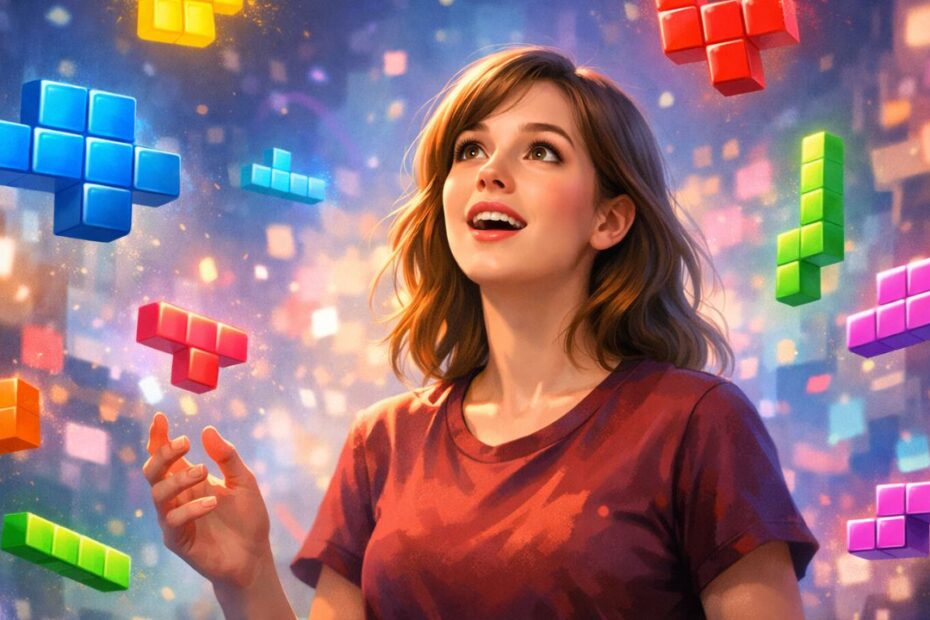
After an exhilarating gaming marathon, have you ever found yourself with your eyes closed, imagining blocks tumbling down? Or maybe you’ve noticed yourself instinctively organizing items around you, much like a game of Tetris? If this resonates with you, you’re not alone. What sparks these vivid mental images, and what can they reveal about how your brain operates?
I’ve been there too, after a late-night marathon with those iconic tetrominoes. So, let’s dive into the fascinating science behind the “Tetris Effect”—and why your mind can’t always leave the game behind.
What Exactly Is the “Tetris Effect”?
First things first: the “Tetris Effect” is a real, documented phenomenon. Psychologists define it as a type of game transfer phenomenon (GTP), where repetitive visual or mental tasks stick in your mind—sometimes long after you’ve stopped playing.

- You might see falling blocks when you close your eyes.
- You may dream about Tetris, or feel the urge to fit things together in real life.
- Some people even report hearing the game’s catchy music on repeat!
The Tetris Effect isn’t just limited to this classic game. Similar effects happen with other repetitive activities, too—think scrolling social media or binge-watching a series.
Why Does Your Brain Do This?
Here’s where it gets interesting. According to experts, the Tetris Effect is all about how your brain processes and stores patterns. When you repeat a task intensely—like playing Tetris for hours—your brain’s neural pathways keep firing, even after you stop.
- The official term is ‘perceptual residue’—mental impressions that linger.
- It’s a sign your brain is practicing, learning, and optimizing for future challenges.
- This is part of how we develop skills and habits—your brain is basically doing its “homework.”
Ever notice how athletes visualize their routines, or musicians practice in their heads? The Tetris Effect is your brain doing something similar, just a bit less voluntary!
The Science: What Do Studies Say?
Researchers at Harvard and other universities have actually studied this. According to a famous study, participants played Tetris for extended periods. Later, many reported involuntarily seeing Tetris blocks as they fell asleep—or even dreaming about them.

- Some test subjects had amnesia, and couldn’t remember playing—but still visualized the blocks!
- This suggests the effect goes deep—possibly into subconscious memory.
- It’s not dangerous, and typically fades after a day or two.
The consensus? This is a normal brain adaptation, not a glitch or health risk.
Is It Unique to Tetris?
Not at all. The Tetris Effect can happen with any repetitive task:
- Gamers report seeing grids from Minecraft or Candy Crush out in the real world.
- People who do puzzles or Sudoku sometimes see patterns on blank walls.
- Even supermarket workers have reported ‘checkout beeps’ echoing in their minds!
So, if you’ve ever mentally arranged your groceries to fit in your bag like Tetris pieces, you’re experiencing the same brain quirk.
Should You Be Worried?
Good news: experts agree the Tetris Effect isn’t harmful. In fact, it can be a sign of learning and brain plasticity—the ability to adapt and rewire itself.

- It usually fades within a day or two without any intervention.
- If you’re losing sleep or feeling disturbed, take a break from the screen.
- Some studies even suggest that Tetris can help distract your brain from traumatic memories!
Still, balance is key. Like anything, moderation is important.
What Can You Take Away?
So, the next time you mentally ‘rotate’ a cereal box to fit in your cupboard, remember: your brain is doing what it does best—learning, adapting, and optimizing.
- The Tetris Effect is a testament to how powerful and flexible your mind really is.
- It’s a quirky, harmless side effect of immersive play (or work!)—and you’re not alone.
- Maybe take it as a gentle signal to give your brain a break… or embrace the fact you’re leveling up, even in your sleep.
Ever experienced the Tetris Effect yourself? Next time you see blocks behind your eyelids, just smile—you’ve unlocked one of gaming’s strangest badges.

VPNs: Do You Really Need One or Is It Just Marketing Hype?

Incognito Mode: Does It Actually Hide Your Browsing from Your ISP?

Subscription Fatigue: How to Find and Cancel Subs You Forgot About

5G Conspiracy: Why The Towers Are Harmless (Physics Explained)
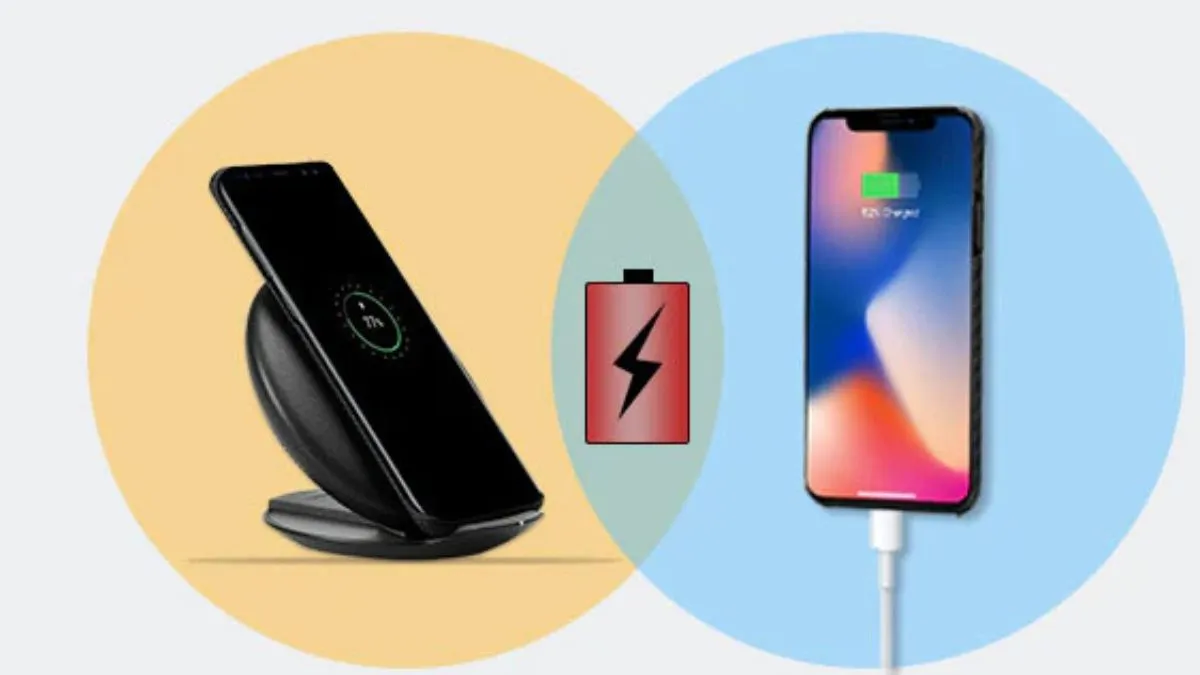
Wireless Charging: Is It Less Efficient Than Plugging In?