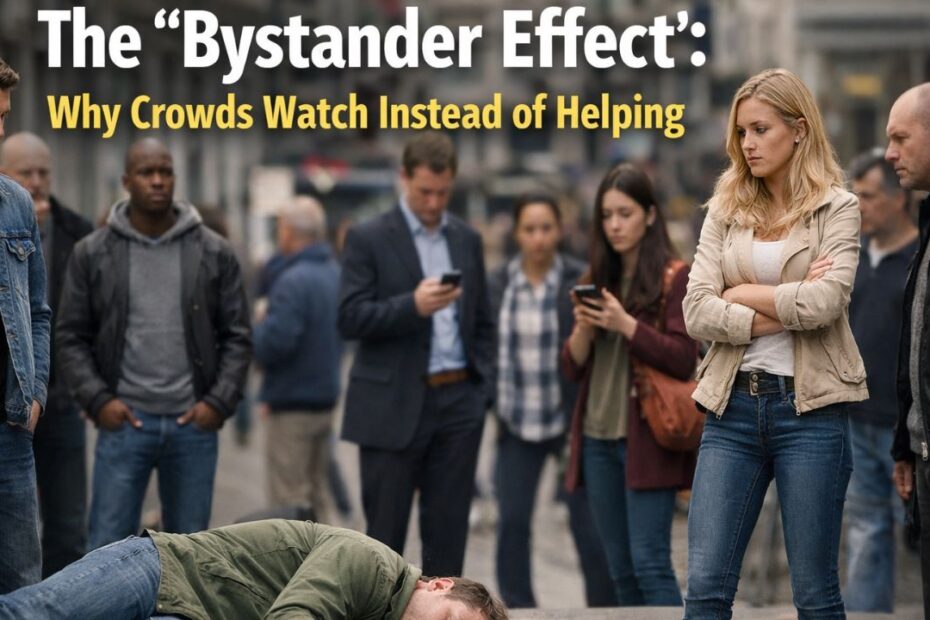
Have you ever wondered why bystanders frequently remain motionless during emergencies, choosing to watch rather than step in? This fascinating behavior is evident in both real-life scenarios and viral clips. In a critical moment, would you find the courage to act, or would you become just another observer?
What Exactly Is the Bystander Effect?
The “bystander effect” is a psychological phenomenon that explains why individuals are less likely to help when others are present. The more people there are, the less responsible each person feels. Weird, right?
- Coined after the 1964 Kitty Genovese case in New York
- Backed by decades of psychological research
- Affects people of all ages and backgrounds
In short, the bystander effect makes us collectively freeze, even when someone clearly needs help.

Why Does This Happen?
The big question: Why do we act so differently in a crowd? Experts say it’s not about being uncaring—it’s a mix of psychology and social cues.
- Diffusion of Responsibility: When more people are around, each person feels less pressure to do something.
- Social Proof: If no one else moves, we assume help isn’t needed (or it’s not our place).
- Fear of Judgment: We’re worried about looking foolish if we misread the situation or make things worse.
Sounds familiar? We’ve all had those moments of hesitation.
The Science Behind It
Psychologists Bibb Latané and John Darley first studied this effect after the Genovese tragedy. Their experiments showed people are much more likely to help when they’re alone than in a group.
- In a classic study, 70% helped when alone
- When others were present, that dropped to just 40%
- The bystander effect has been observed across cultures and situations
Consensus in the scientific community is clear: the bystander effect is real, measurable, and impacts everyday situations—from accidents to bullying.

Where Do You See the Bystander Effect?
You might think this only happens in big city emergencies, but it’s much more common than that. Think about:
- Someone fainting in a crowded subway
- Bullying in schools or workplaces
- Roadside accidents with many drivers passing by
- Online harassment where dozens witness but few speak up
These moments are so common that you’ve probably been a bystander without even realizing it.
Can You Beat the Bystander Effect?
Here’s the good news: You don’t have to be a passive observer. Research shows a few strategies can break the spell.
- Take personal responsibility: Remind yourself that your action matters, even in a crowd.
- Act confident: People tend to follow when someone steps up.
- Delegate: Point to someone and say “You, call 911” to cut through the crowd mentality.
- Educate yourself and others: Just being aware of the bystander effect makes you less likely to fall for it.
It’s all about shifting your mindset from spectator to participant—a move that can literally save lives.
Why Does This Matter More Than Ever?
With everyone glued to their phones and public spaces busier than ever, the bystander effect isn’t going away. In fact, some studies suggest it’s even more pronounced online where responsibility seems even more diluted.
But here’s the clincher: Awareness is powerful. The more you know about the bystander effect, the more likely you are to break free from it next time you see someone in need.
Final Thoughts: Will You Step Up?
Next time you’re part of a crowd, ask yourself—will you watch, or will you help? The choice is yours. And now, you know exactly what’s going on in those split seconds of hesitation.
Experts agree: a little bit of courage and a lot of awareness can turn any bystander into a lifesaver. So, what will you do?

VPNs: Do You Really Need One or Is It Just Marketing Hype?
Incognito Mode: Does It Actually Hide Your Browsing from Your ISP?

Subscription Fatigue: How to Find and Cancel Subs You Forgot About

5G Conspiracy: Why The Towers Are Harmless (Physics Explained)
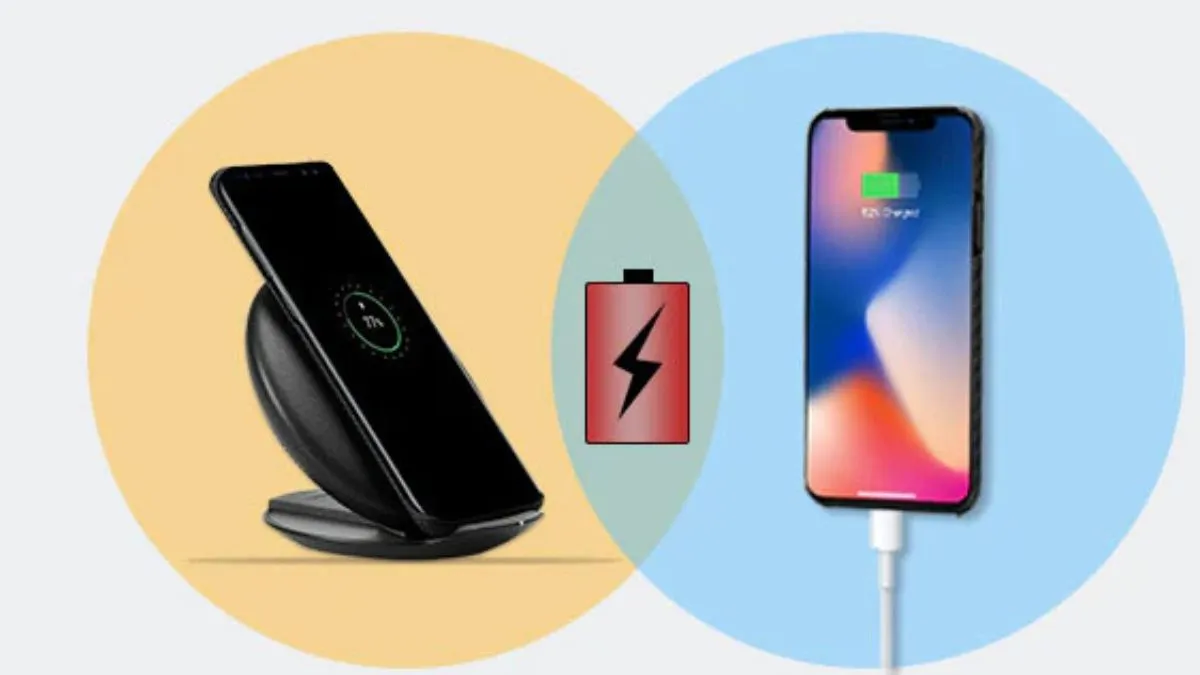
Wireless Charging: Is It Less Efficient Than Plugging In?