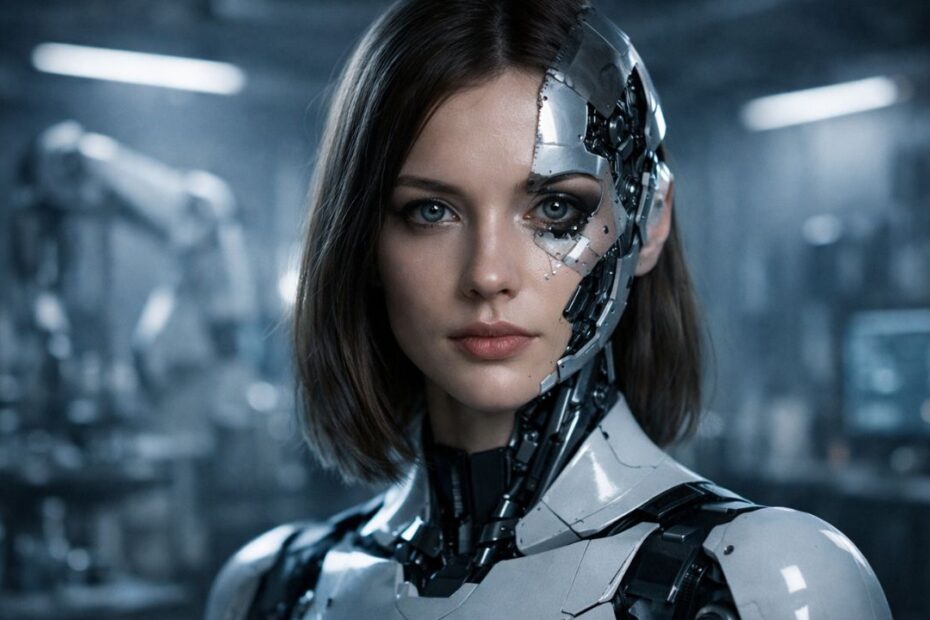
Have you ever met a robot that looks almost human, but something about it just doesn’t sit right? This curious feeling, known as the “uncanny valley,” is more prevalent than you may realize. What is this phenomenon, and what triggers such a powerful emotional reaction? Join us as we delve into the fascinating science that explains it.
What Is the Uncanny Valley?
The uncanny valley is a term from robotics and psychology. It describes what happens when something almost—but not quite—looks human. Think of a realistic android, or a hyper-realistic CGI character. Something about them seems off, and it makes us uncomfortable.
- The theory was first proposed by Japanese roboticist Masahiro Mori in 1970.
- As robots become more human-like, our emotional response gets more positive—until it suddenly drops into the “valley” of eeriness.
- Once realism passes a certain point, we start to accept the robot as human again, and our discomfort disappears.
Why Do We Feel This Way?
So, what’s behind this weird response? Scientists aren’t totally sure, but there are some leading theories. Does your brain sound the alarm when something’s almost—but not quite—right?

- Violation of expectations: Your mind expects people to move, sound, and look a certain way. When a robot misses the mark, it’s unsettling.
- Threat detection: Some experts believe we’re hardwired to spot and avoid things that look “off,” possibly as a survival instinct.
- Empathy and social cues: Human-like robots might trigger empathy, but their lack of genuine emotion or subtle cues (like natural eye movement) throws us off.
According to the general consensus among psychologists, our brains are built to be finely tuned to faces and human behavior—which means even tiny mistakes stand out in a big way.
Famous Examples of the Uncanny Valley
You might be wondering, “Have I ever seen the uncanny valley in real life?” Absolutely! Here’s where it pops up:
- Robots like Sophia: Hanson Robotics’ Sophia has been called both fascinating and creepy for her lifelike expressions.
- CGI in movies: Remember the characters in “The Polar Express” or “Beowulf”? Many viewers found the nearly-human animation unsettling.
- Androids in theme parks: Hyper-realistic animatronics can sometimes leave visitors feeling uneasy, even if they’re wowed by the technology.
It’s not just you—these examples have sparked countless online debates and viral reactions. The uncanny valley is practically a pop culture phenomenon!
Can Designers Avoid the Uncanny Valley?
If the uncanny valley makes us uncomfortable, why do creators keep making robots look so human? And is there a way out?

- Some designers intentionally keep robots cute or cartoony, like Pixar characters or Japan’s famous Pepper robot, to avoid the valley altogether.
- Others try to perfect the details—from micro-expressions to natural movement—but it’s tough to get everything just right.
- There’s also a push to focus more on usefulness and less on appearance. Function-first robots (think Roomba vacuums) almost never creep us out.
The consensus? As technology improves, we might get used to lifelike robots. But for now, designers have to choose: do they risk the valley, or play it safe with less realism?
Will We Ever Cross the Valley?
Here’s the big question: will we ever stop getting creeped out by human-like robots? Some experts think yes—as robots become more common, we might get comfortable with their presence. But others say our brains’ built-in detection systems will always be hard to fool.
- Exposure to lifelike robots could make the uncanny valley shallower over time.
- Societal acceptance often lags behind technology—remember how people once feared elevators and telephones?
- Ethics and transparency matter: people want to know when they’re dealing with a robot, not a human.
So, next time you meet a robot that looks a little too real, remember: it’s not just you. The uncanny valley is a real phenomenon, and it’s got experts—and our imaginations—buzzing. Will we ever make it across? Only time (and a few more robots) will tell.

2-Factor Authentication: Why You Should Use an App, Not SMS

VPNs: Do You Really Need One or Is It Just Marketing Hype?

Incognito Mode: Does It Actually Hide Your Browsing from Your ISP?

Subscription Fatigue: How to Find and Cancel Subs You Forgot About

5G Conspiracy: Why The Towers Are Harmless (Physics Explained)