Running is excellent for cardiovascular health and endurance, but it can create tight muscles and increase the risk of injury. Incorporating yoga into your routine helps runners improve flexibility, strength, and balance, while promoting faster recovery.
Here are 8 essential yoga poses every runner should practice.
1. Downward-Facing Dog (Adho Mukha Svanasana)
This pose stretches hamstrings, calves, and the spine.

How to do it:
- Start on hands and knees, lift hips toward the ceiling to form an inverted V.
- Keep feet hip-width apart and hands shoulder-width apart.
- Press heels gently toward the floor and relax the head.
Benefits: Lengthens hamstrings and calves, relieves tension, and strengthens arms and shoulders.
2. Low Lunge (Anjaneyasana)
Low Lunge opens the hips and stretches hip flexors.
How to do it:

- Step one foot forward between the hands from a plank position.
- Lower the back knee to the ground and lift arms overhead.
- Keep hips squared and chest lifted.
Benefits: Stretches hip flexors, strengthens legs, and improves balance.
3. Pigeon Pose (Kapotasana)
Pigeon Pose targets the glutes and outer hips.
How to do it:
- From downward dog, bring one knee forward and place it behind the hands.
- Extend the opposite leg straight back.
- Fold forward gently for a deeper stretch.
Benefits: Opens hips, releases tension in glutes, and improves flexibility.

4. Standing Forward Fold (Uttanasana)
This pose stretches the hamstrings and calves while calming the mind.
How to do it:
- Stand with feet hip-width apart.
- Hinge at the hips and fold forward, letting the torso hang.
- Keep knees slightly bent if needed.
Benefits: Lengthens hamstrings, relieves lower back tension, and improves circulation.
5. Reclined Hand-to-Big-Toe Pose (Supta Padangusthasana)
This pose stretches hamstrings and calves individually.
How to do it:
- Lie on your back, extend one leg up, and hold the big toe or use a strap.
- Keep the other leg bent or straight on the floor.
- Switch sides after 20–30 seconds.
Benefits: Improves hamstring flexibility, reduces tightness, and aids in recovery.
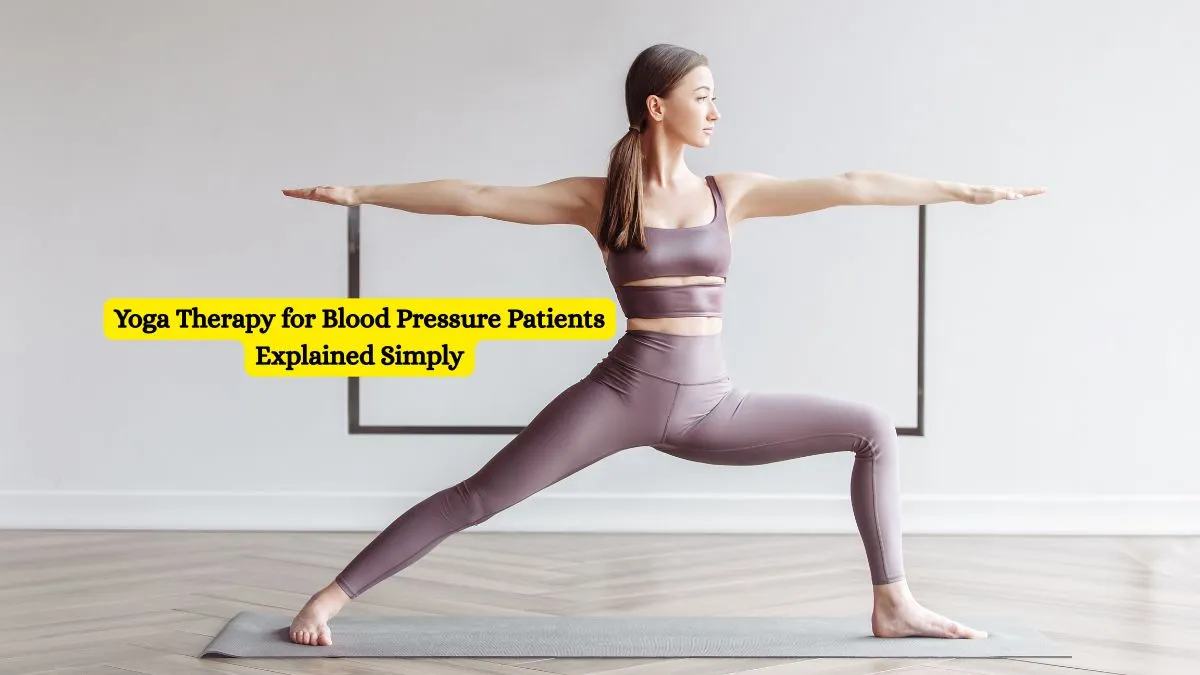
6. Warrior II (Virabhadrasana II)
Warrior II strengthens legs and enhances hip stability.
How to do it:
- Step one leg back and bend the front knee.
- Extend arms out to the sides, keeping chest open.
- Gaze over the front hand and hold for several breaths.
Benefits: Builds leg strength, improves hip stability, and enhances balance for running.
7. Bridge Pose (Setu Bandhasana)
Bridge Pose strengthens glutes and opens the hips.
How to do it:
- Lie on your back with knees bent and feet hip-width apart.
- Press into your heels to lift hips toward the ceiling.
- Clasp hands underneath or keep arms by your sides.
Benefits: Strengthens glutes, stretches hip flexors, and reduces lower back tension.
8. Supine Spinal Twist (Supta Matsyendrasana)
This gentle twist relaxes the spine and releases tight hips.
How to do it:
- Lie on your back and bring one knee across the body toward the opposite side.
- Extend the opposite arm and gaze in the same direction.
- Switch sides after a few breaths.
Benefits: Relieves spinal tension, stretches hips and glutes, and aids post-run recovery.
Tips for Runners Practicing Yoga
- Focus on tight areas: Target hamstrings, calves, hips, and lower back.
- Breathe deeply: Deep breaths help muscles relax and improve flexibility.
- Hold poses for 20–30 seconds: Longer holds promote greater muscle release.
- Practice post-run or on rest days: Helps with recovery and reduces soreness.
- Move mindfully: Avoid forcing stretches; gradual progress is key.
Incorporating these 8 yoga poses into your running routine can improve flexibility, strength, balance, and recovery. Regular practice reduces injury risk, relieves muscle tension, and enhances overall running performance.
Whether you are a beginner or experienced runner, these yoga poses support a healthier, stronger, and more resilient body.
FAQs
Q1: How often should runners practice yoga?
A1: 2–4 times per week, especially after runs or on rest days, is ideal for recovery and flexibility.
Q2: Can yoga help prevent running injuries?
A2: Yes, yoga strengthens muscles, improves flexibility, and balances the body, reducing the risk of common running injuries.
Q3: How long should each pose be held?
A3: Hold each pose for 20–30 seconds, repeating 2–3 times for best results.

Yoga for Chronic Headaches: Simple Asanas That Really Work
Yoga for High Blood Pressure: Safe and Effective Asanas
Yoga Therapy for Blood Pressure Patients Explained Simply

The 15 Best Yoga Poses to Build Better Balance
8 Advanced Yoga Poses to Work Towards